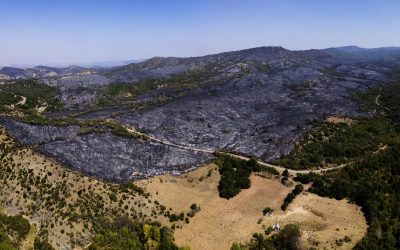
Key messages Landscape fires remained active across the Western Balkans during the first half of 2026, with fire activity recorded well before the traditional summer peak period. Almost 40 000 hectares were affected by fires between January and June 2026 across...
Blog
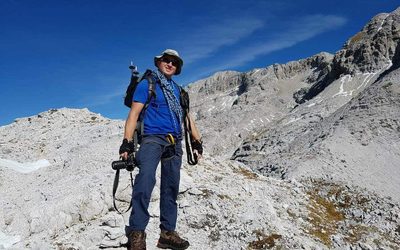
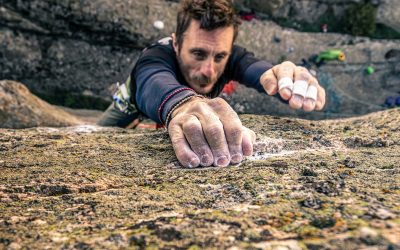
Stories behind the lens – Meet the photographers capturing the beauty and vulnerability of Western Balkan landscapes
Photography has the unique power to preserve moments, tell stories, and inspire action. Through their lenses, photographers can reveal the beauty of our landscapes while also reminding us of the challenges they face and the importance of protecting them. The winning...
Landscape fire management through the seasons in the Western Balkans
Landscape fire management is an essential environmental and land-use practice in the Western Balkans. The region's diverse landscapes, ranging from Mediterranean coastal areas to mountainous forests and grasslands, are highly vulnerable to landscape fires. Climate...
Reintegrating traditional ecological knowledge into better land management in the Balkans
Living with fire has long been part of human-environment relationships in the Balkans. For centuries, rural communities developed ways of managing land that acknowledged fire as a threat. Today, as landscape fires become more frequent and severe, there is renewed...
The role of mosaic landscapes in managing and reducing fire risk in the Western Balkans
Mosaic landscape is a type of landscape characterized by a patchwork of forests, grasslands, agricultural fields, and shrublands and play a critical role in reducing landscape risk in the Balkans. Unlike large, continuous expanses of dense vegetation, these...
The impact of landscape fire smoke on biodiversity and human health in the Western Balkans
Smoke produced by landscape fires represents one of the most significant yet often overlooked environmental threats to ecosystems and public health in the Western Balkan region. When forests, grasslands, and agricultural areas burn, enormous quantities of smoke...
Landscape fires and their negative impact on local socio-economic development in the Western Balkans
Landscape fires have become an increasingly significant environmental hazard across the Western Balkan region, affecting forests, agricultural land, infrastructure, and communities. Beyond the direct ecological damage, these fires also have substantial consequences...
Landscape fires on the rise in the Western Balkans: lessons learned from 2025
In 2025, landscape fires emerged as one of the most persistent and underestimated systemic risks in the Western Balkans. Prolonged heatwaves, drought conditions, land abandonment and limited institutional capacity combined to produce one of the most severe regional...
Agroforestry: building resilient landscapes through diversity
Alongside sustainable grazing practices, the Landscape Fire Management in the Western Balkans Programme emphasizes agroforestry - the intentional integration of trees, shrubs, and crops into farmland and pasture systems, as a vital approach to building fire-resilient...
Landscape fires and health
Landscape fires - including wildfires, landscape fires, forest fires, and grassland fires - are becoming more frequent, intense, and unpredictable as a result of climate change, unsustainable land-use practices, and human activities. While fire is a natural ecological...
The future of landscape fires in the Western Balkans: risks, realities, and the need for prevention
Landscape fires are becoming an increasingly urgent challenge in the Western Balkans. Rising temperatures, prolonged droughts, and shifting rainfall patterns caused by climate change are creating conditions that make fires more frequent, more intense, and more...
Prevention vs. suppression: Which works better against landscape fires?
Landscape fires are an increasing concern in many regions, including the Western Balkans, where hot, dry summers create the perfect conditions for fires to ignite and spread. When it comes to managing these fires, there are two very different approaches: prevention...