
Tourism is one of the most important economic sectors in the Western Balkans, contributing significantly to employment, local development, and national economies. The countries attract millions of visitors each year with their diverse landscapes, rich cultural heritage, mountains, forests, lakes, and coastal destinations. However, landscape fires have become an increasing threat to the region’s tourism industry. Rising temperatures, prolonged droughts, and changing land-use patterns have contributed to more frequent and intense landscape fires, creating significant challenges for tourism development and sustainability.
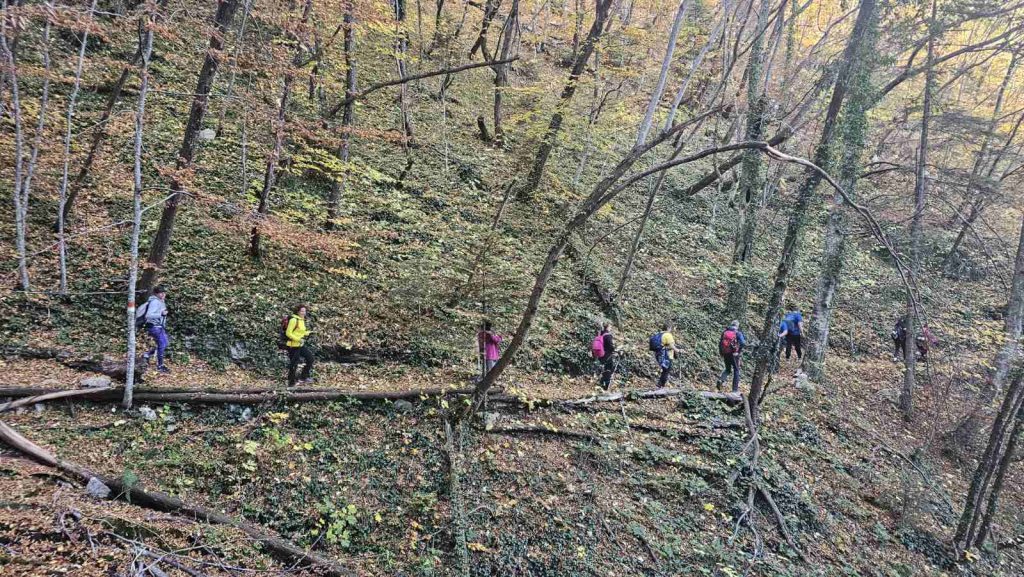
One of the most immediate impacts of landscape fires on tourism is the destruction of natural attractions. Many tourists visit the Western Balkans to experience its national parks, protected forests, mountain trails, and scenic countryside. Landscape fires can damage or destroy these valuable natural assets, reducing their attractiveness to visitors. Burned forests, blackened landscapes, and damaged ecosystems may take years or even decades to recover. As a result, destinations that rely heavily on nature-based tourism may experience a decline in visitor numbers following major fire events. Landscape fires also affect air quality, which can significantly influence tourist experiences. Smoke from landscape fires can travel long distances, reduce visibility and create unhealthy conditions for outdoor activities. Visitors may cancel hiking trips, sightseeing tours, camping excursions, and recreational activities due to concerns about health and safety. Poor air quality can be particularly problematic during the peak summer tourism season when visitor numbers are highest and landscape fire risk is at its greatest. Negative experiences related to smoke and environmental degradation may also affect a destination’s reputation and discourage future visits.
The tourism infrastructure of the Western Balkans can also be directly impacted by landscape fires. Hotels, guesthouses, restaurants, campsites, roads, and recreational facilities located near fire-prone areas may be damaged or threatened by advancing flames. In severe cases, authorities may be forced to close tourist sites, evacuate visitors, and restrict access to affected regions. Such disruptions can result in substantial financial losses for tourism businesses and local communities that depend on visitor spending. Small rural enterprises are often particularly vulnerable because they have limited resources to recover from disaster-related losses.
Beyond the immediate physical damage, landscape fires can have long-term economic consequences for tourism-dependent communities. Tourism generates income for accommodation providers, tour operators, transportation services, restaurants, and local artisans. When visitor numbers decline due to fire-related concerns, these businesses may experience reduced revenues and employment opportunities. Repeated landscape fire events can create uncertainty among investors and tourism operators, making it more difficult to attract new investment and support sustainable tourism growth. Landscape fires can also affect cultural and heritage tourism. The Western Balkans contain numerous historic sites, traditional villages, monasteries, and archaeological areas located within or near forested landscapes. Although many heritage sites are protected, landscape fires can threaten surrounding environments and infrastructure, reducing accessibility and visitor appeal. Damage to cultural landscapes can diminish the unique character that attracts tourists seeking authentic regional experiences.
Despite these challenges, effective fire management and recovery efforts can help reduce the negative impacts of landscape fires on tourism. Governments, protected area authorities, and tourism stakeholders are increasingly investing in landscape fire prevention, early warning systems, public awareness campaigns, and emergency response capabilities. Sustainable land management practices, including vegetation management and fuel reduction, can lower fire risk in key tourism areas. In addition, post-fire restoration programs can support ecosystem recovery and help rebuild visitor confidence. Landscape fires also highlight the importance of climate adaptation within the tourism sector. Tourism businesses can strengthen resilience by developing emergency preparedness plans, diversifying tourism products, and promoting year-round tourism opportunities that are less dependent on vulnerable natural areas. Cooperation among environmental agencies, local communities, and tourism operators is essential for balancing visitor access with landscape protection.