
Key messages
- Landscape fires remained active across the Western Balkans during the first half of 2026, with fire activity recorded well before the traditional summer peak period.
- Almost 40 000 hectares were affected by fires between January and June 2026 across Albania, Bosnia and Herzegovina, Kosovo*, Montenegro, North Macedonia and Serbia, according to GWIS burned-area estimates.
- Bosnia and Herzegovina recorded the largest fire impact with 20 424 hectares, accounting for the highest share of regional burned area during the reporting period, followed by Montenegro and Serbia.
- Fire activity intensified during late spring, when increasing temperatures, reduced vegetation moisture and dry fuel accumulation created more favourable conditions for fire ignition and spread.
- Fires affected a wide range of landscapes, including forests, shrublands, grasslands, agricultural areas and transitional vegetation zones, demonstrating the broad vulnerability of regional ecosystems.
- The early-season fire activity highlights an expanding wildfire risk window, with significant burned areas occurring before the main July–August wildfire period.
- Human-related ignitions continue to represent an important driver of landscape fires, particularly in agricultural and rural areas where dry vegetation can enable rapid fire development.
- Regional cooperation remains essential, as wildfire impacts increasingly cross administrative boundaries and require shared monitoring, preparedness and response strategies
The first half of 2026 recorded a significant level of landscape fire activity across the Western Balkans, with almost 40 000 hectares affected by almost 100 fires between January and June. Although the most intense wildfire period traditionally occurs during the summer months, the first six months of the year already demonstrated the region’s continued exposure to fire events affecting forests, shrublands, grasslands and agricultural landscapes.
According to the EFFIS Estimates for European Non-European Union Countries, 37 002 hectares were burned across Albania, Bosnia and Herzegovina, Kosovo*, Montenegro, North Macedonia and Serbia during the first half of 2026*. The distribution of burned areas was highly uneven, with Bosnia and Herzegovina accounting for the largest share of the regional total, followed by Montenegro, Serbia, North Macedonia, Kosovo* and Albania. Fire activity during the early months of the year remained relatively limited, with individual events mainly affecting open vegetation, agricultural areas and grasslands. However, as spring progressed, warmer temperatures and increasingly dry vegetation conditions created more favourable conditions for fire ignition and spread. By late spring, several countries experienced more extensive fire events, increasing pressure on national firefighting capacities before the traditional peak of the wildfire season.
Bosnia and Herzegovina recorded the largest burned area in the region during January–June 2026, with approximately 20 424 hectares affected. The concentration of burned areas highlights the vulnerability of landscapes dominated by dry grasslands, shrub vegetation and mixed forest ecosystems. Several fire events developed under conditions that supported rapid spread, particularly in areas where vegetation dryness combined with difficult terrain and limited accessibility.
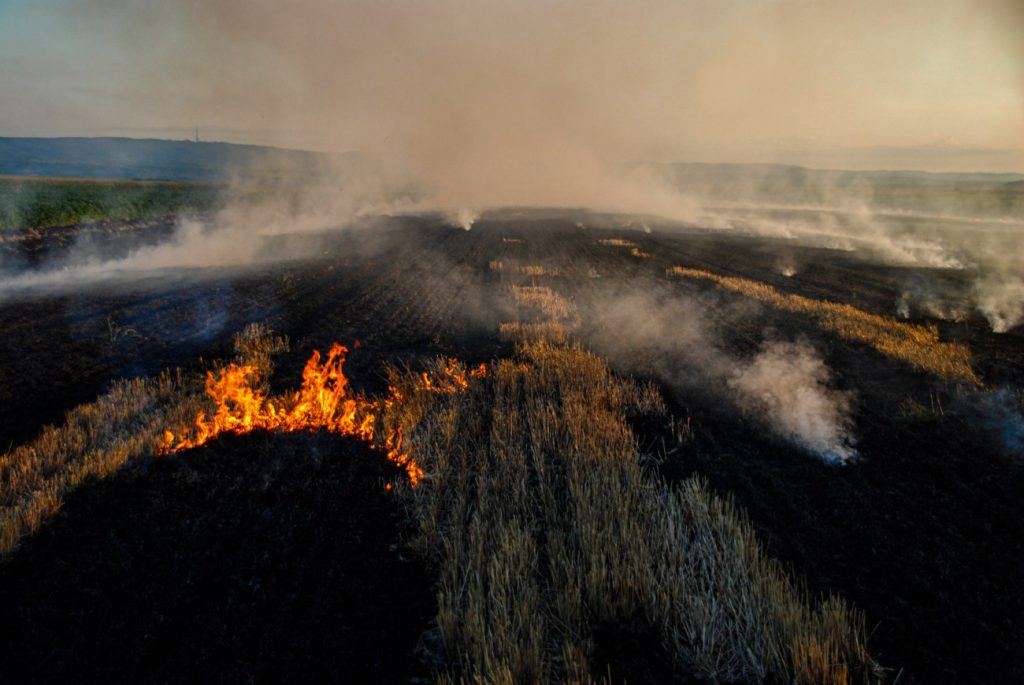
Montenegro recorded the second-largest burned area during the reporting period, with approximately 9476 hectares burned. Fire activity affected landscapes characterised by Mediterranean vegetation, where dry conditions and accumulated biomass contributed to increased fire potential. The early-season fires demonstrated the challenges associated with wildfire management in mountainous terrain, where changing weather conditions can quickly influence fire behaviour.
Serbia experienced approximately 2787 hectares of burned area during the first half of 2026. Fires were recorded mainly in rural landscapes, grasslands and areas were agricultural land interfaces with natural vegetation. The events again highlighted the importance of prevention measures, particularly during periods when dry vegetation increases the likelihood of accidental or uncontrolled ignitions.
North Macedonia recorded approximately 2085 hectares burned, with fire impacts distributed across rural and semi-natural landscapes. The country’s fire activity during spring reflected the sensitivity of dry vegetation systems to rising temperatures and reduced moisture availability. While the affected area remained lower than in neighbouring countries, the occurrence of fires before the main summer period underlined the need for continued preparedness.
Kosovo* recorded approximately 806 hectares of burned area during the first six months of 2026. Although representing a smaller proportion of the regional total, the recorded fires contributed to the overall pattern of early-season landscape fire activity observed across the Western Balkans.
Albania recorded approximately 1444 hectares burned during the January–June period. Fire activity was concentrated in landscapes where Mediterranean vegetation, grasslands and shrub areas can provide favourable conditions for rapid fire development during dry periods. The lower burned area compared with some neighbouring countries does not reduce the importance of early-season preparedness, particularly as summer conditions approach.
The first half of 2026 confirms several recurring characteristics of landscape fires in the Western Balkans: strong seasonal dependence, rapid changes in fire behaviour during dry periods, and the importance of landscape conditions in determining fire impacts. The early-season burned area provides an indication of the pressure already placed on fire management systems before the arrival of the highest-risk summer months. Another important observation from the 2026 mid-year situation is the increasing need for prevention-oriented approaches. Fire suppression remains essential, but reducing wildfire impacts requires stronger attention to vegetation management, abandoned land, public awareness, early detection and coordinated response mechanisms.
With the main wildfire season still developing, the January–June 2026 situation represents an important warning period. The 40 000 hectares already affected across the Western Balkans demonstrate that fire risk remains a persistent challenge, requiring continued monitoring and regional cooperation throughout the remainder of the year.
Source: Global Wildfire Information System (GWIS), GWIS Statistics Portal – 2026 burned area estimates. https://gwis.jrc.ec.europa.eu/apps/gwis.statistics/estimates