
Agriculture remains a vital sector across the Western Balkans, providing food, employment, and income for millions of people. The countries in the region possess diverse agricultural systems that include crop production, livestock farming, orchards, vineyards, and extensive grazing lands. However, landscape fires have become an increasingly significant threat to agricultural productivity and rural livelihoods throughout the region. Rising temperatures, prolonged droughts, changing land-use patterns, and the growing frequency of extreme weather events have increased the occurrence and intensity of wildfires, creating substantial challenges for farmers and rural communities. Landscape fires affect agriculture in both direct and indirect ways. The most immediate impact is the destruction of crops, pastures, and agricultural infrastructure. During severe wildfire events, standing crops such as wheat, maize, vegetables, and fruit plantations can be damaged or completely destroyed. Orchards and vineyards, which require many years of investment before reaching full productivity, are particularly vulnerable. A single landscape fire can eliminate decades of work and significantly reduce future agricultural income. In many cases, farmers face substantial financial losses due to reduced harvests and increased recovery costs.
Livestock farming is also highly exposed to landscape fires. Fires can destroy grazing areas that provide essential forage for cattle, sheep, and goats. Loss of pastureland forces farmers to purchase additional feed, increasing production costs and placing pressure on already limited household budgets. In extreme situations, livestock may be injured or killed by advancing fires. The destruction of fences, barns, water systems, and storage facilities further complicates recovery efforts and may disrupt agricultural production for extended periods.
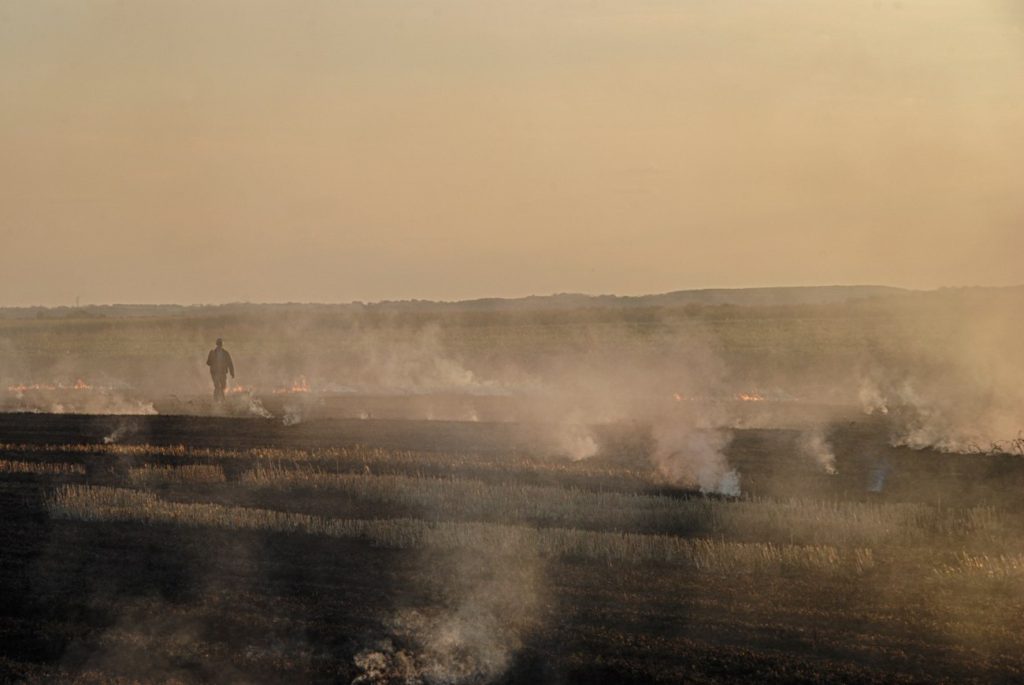
One of the most serious long-term consequences of landscape fires is soil degradation. Healthy soils are fundamental to agricultural productivity, but intense fires can alter soil structure, reduce organic matter, and destroy beneficial microorganisms. Following a fire, exposed soils become more susceptible to erosion by wind and water. This is particularly problematic in the mountainous and hilly terrain that characterizes much of the Western Balkans. Heavy rainfall after a fire can wash away nutrient-rich topsoil, reduce land fertility and affect future crop yields. Soil recovery can take many years, especially in areas that experience repeated fire events. Water resources, which are critical for agriculture, can also be negatively affected by landscape fires. Vegetation loss in burned catchments may increase sedimentation in rivers, reservoirs, and irrigation systems. Ash and debris can contaminate water supplies used for irrigation and livestock. Reduced water quality and availability create additional challenges for farmers, particularly during periods of drought when water resources are already under stress. As climate change continues to influence precipitation patterns across the region, the interaction between fire risk and water scarcity is likely to become increasingly important.
Landscape fires also contribute to biodiversity loss within agricultural landscapes. Traditional farming systems in the Western Balkans often coexist with forests, grasslands, and wetlands that support pollinators, natural pest predators, and other beneficial species. Landscape fires can damage these habitats and disrupt ecological processes that contribute to agricultural productivity. Reduced biodiversity may increase the vulnerability of farming systems to pests, diseases, and environmental stresses, ultimately affecting crop and livestock production. The economic consequences of landscape fires extend beyond individual farms. Agriculture plays a key role in rural economies, supporting food processing industries, local markets, and employment opportunities. When fires reduce agricultural output, entire communities may experience economic hardship. Lower production levels can affect food supply chains and reduce household incomes, particularly in remote areas where agriculture remains the primary source of livelihood. Repeated wildfire events may also contribute to rural depopulation as younger generations seek more stable economic opportunities elsewhere.
In some parts of the Western Balkans, traditional agricultural burning practices are still used to clear crop residues and maintain grazing land. While these practices can provide certain management benefits when conducted responsibly, uncontrolled burning is a common cause of landscape fires. Strong winds, dry vegetation, and insufficient supervision can allow fires to spread rapidly into forests, shrublands, and neighbouring agricultural areas. Consequently, many countries in the region have strengthened regulations, monitoring systems, and public awareness campaigns aimed at reducing accidental fire ignitions.
Effective fire management is essential for protecting agriculture from increasing landscape fire risks. Preventive measures include maintaining firebreaks, reducing fuel loads, improving land management practices, and promoting sustainable grazing systems. Early warning systems, weather monitoring, and rapid-response firefighting capabilities can help limit fire spread and minimize agricultural damage. Farmers also play a crucial role in fire prevention by adopting safe land management practices and reporting fire incidents promptly.
Climate adaptation strategies are becoming increasingly important for the agricultural sector. These strategies may include drought-resistant crops, improved irrigation systems, agroforestry practices, and landscape restoration programs that enhance resilience to fire and climate-related risks. Cooperation among governments, agricultural organizations, environmental agencies, and local communities is necessary to develop integrated approaches that address both wildfire prevention and sustainable rural development.