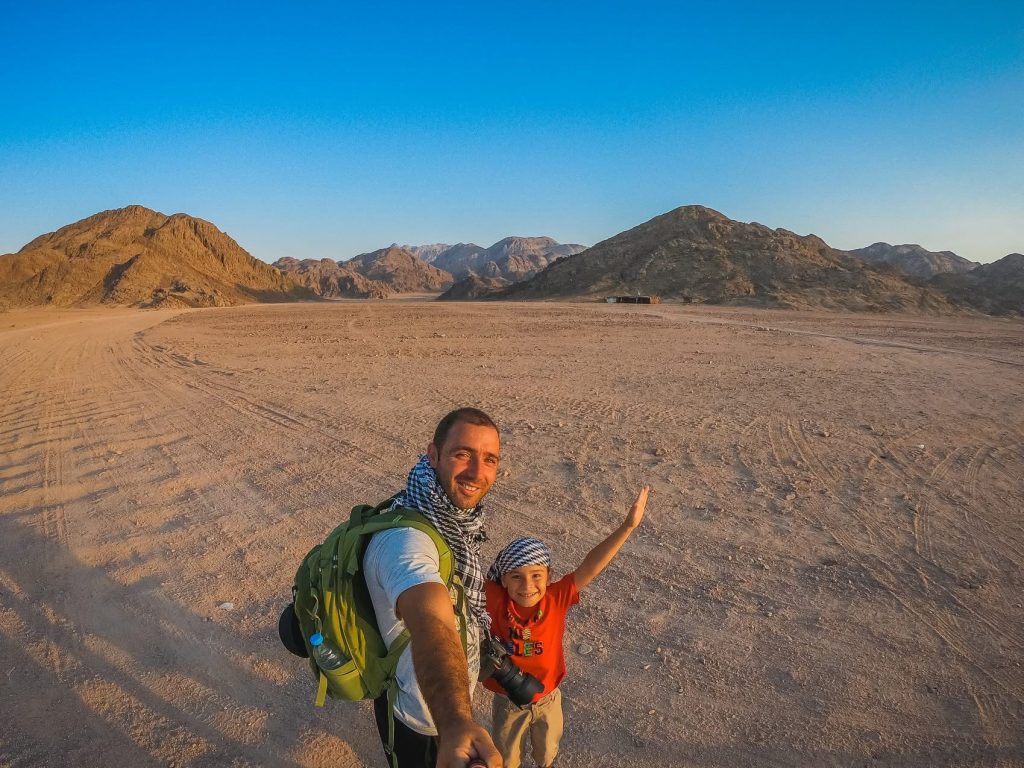
In today’s interview we will meet Dejan Valek awarded with 2nd prize for the story behind his striking photograph exposing the environmental cost of traditional field burning.
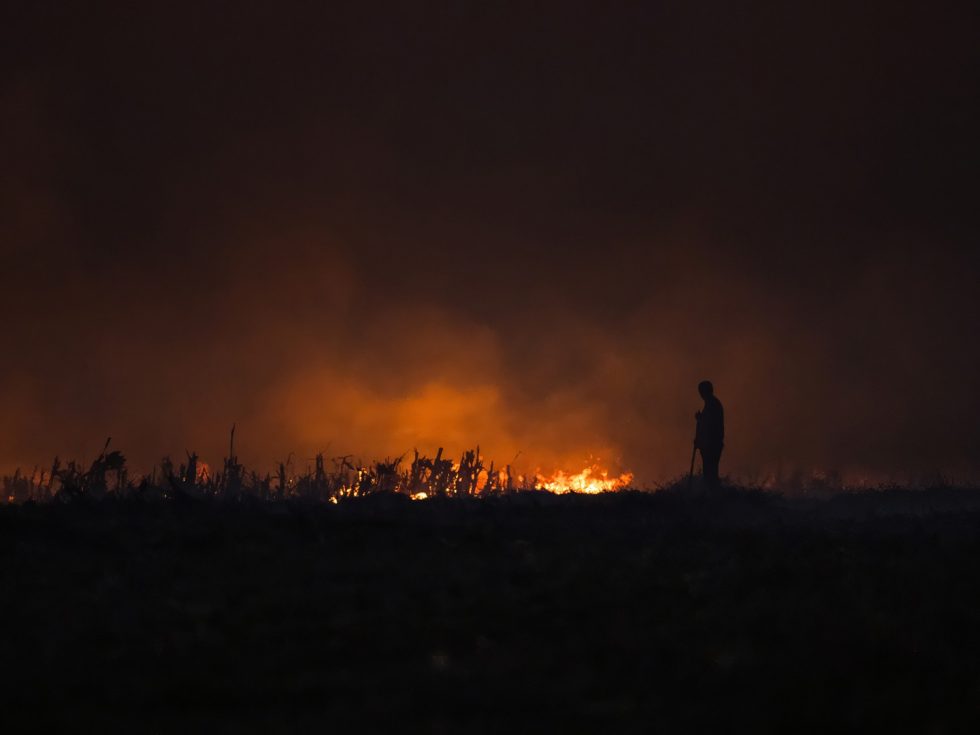
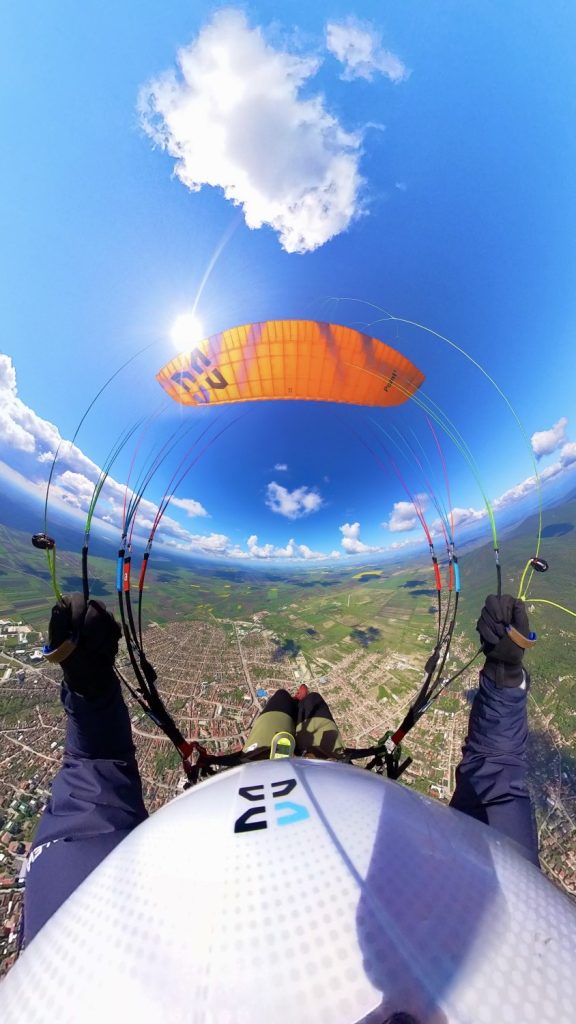
Dejan Valek is a photographer from Novi Sad, whose work explores the relationship between people and nature through light, space, and emotion. Although he has been working professionally as a photographer since 2016, his passion for photography began in early childhood, when he first discovered its power to preserve fleeting moments and transform them into lasting memories. Nature plays a central role in both his life and his work. He spends much of his time exploring the mountains and unspoiled landscapes of the Balkans, finding inspiration in their silence, strength, and ever-changing beauty. His passion for the outdoors is also reflected in his hobbies, which include paragliding, hiking, and sport climbing. These activities give him a unique perspective on the world and continue to shape the way he sees landscapes, light, and composition. He is a member of the Photography Club “Vojvodina”, the Photo Association of Serbia, and the Association of Journalists of Vojvodina for New Media. His work has received recognition at both national and international photography competitions. For Dejan, photography is more than documenting a scene—it is a universal language that transcends borders, connecting people through shared experiences of nature, emotion, and the passage of time.
- What is the story behind your photograph, and what inspired you to capture this moment?
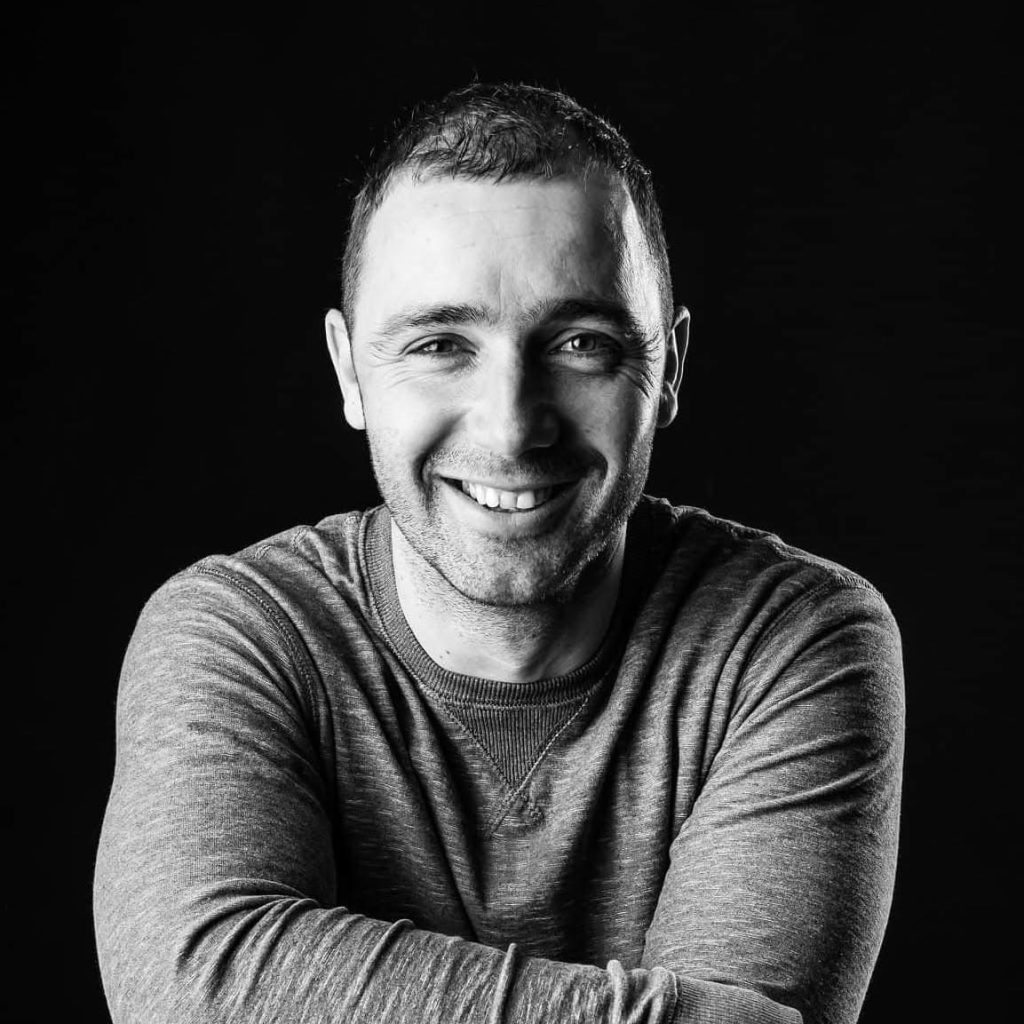
My photograph tells the story of a landscape changing because of human actions. I captured a man standing in front of a burning field at night, a scene that is still common in parts of the Western Balkans. I wanted to document the contrast between the person causing the fire and the fragile environment affected by it. It is a quiet image, but it speaks about a much larger environmental issue.
- What cannot be seen in the photograph, but is something you personally carry with you from that moment?
What cannot be seen is what the fire destroys beyond the flames. During field fires, countless insects, small mammals, birds, and their habitats disappear. Standing there, I wasn’t only looking at fire, I was thinking about the life that was being lost. That feeling stayed with me long after I left.
- What is your personal connection with nature and landscapes?
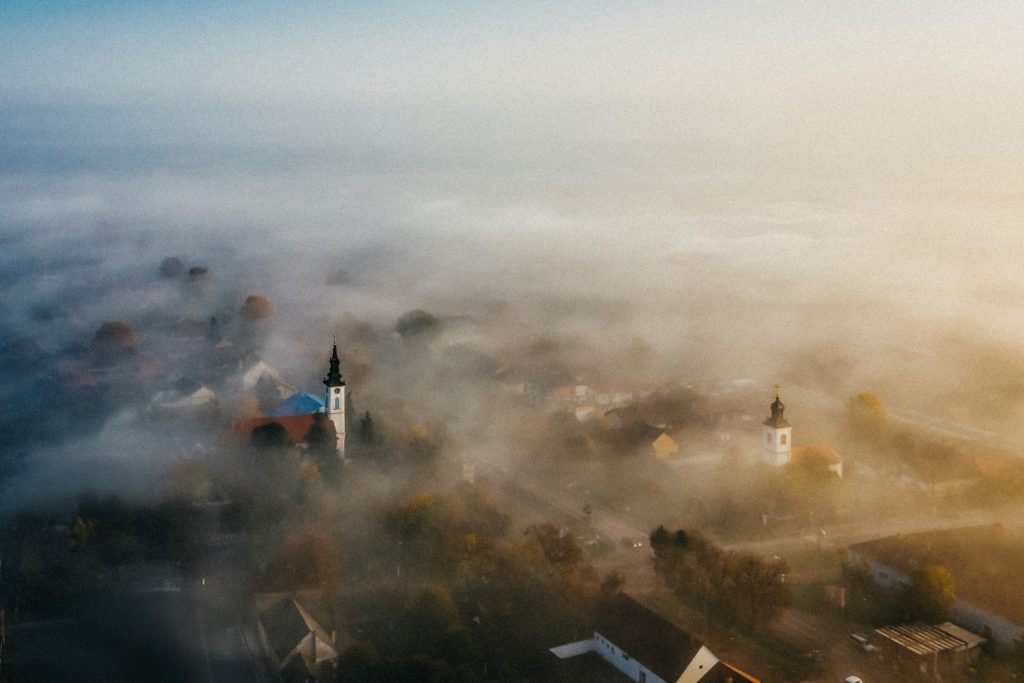
Nature has always been the place where I find peace and inspiration. Photography has taught me to observe landscapes more carefully and to appreciate the delicate balance that exists within them. The more time I spend outdoors, the more I realize how easily that balance can be broken.
- How do you see the relationship between people and nature today, and how do you reflect on the changes our landscapes have experienced in recent years, including pollution, landscape fires, and other challenges?
I believe our relationship with nature has become increasingly disconnected. We often see landscapes as resources rather than living ecosystems. Pollution, uncontrolled development, and fires are changing places that have shaped communities for generations. My photograph is a reminder that every action has consequences, even when those consequences are not immediately visible.
- In your opinion, how can photography help raise awareness and inspire people to better protect our landscapes?
Photography could make people stop and reflect. A powerful image can communicate the consequences of environmental damage more effectively than statistics alone. If someone looks at my photograph and begins to think differently about setting fires or protecting nature, then the photograph has already achieved its purpose.
- What is your personal contribution to preserving nature and the environment?
My contribution is through both my actions and my photography. I always respect the places I visit, leave no trace behind, and use my work to document both the beauty of nature and the threats it faces. I believe photography can encourage people not only to admire landscapes but also to take responsibility for protecting them.
- If your photograph could leave one message for future generations, what would you want that message to be?
I would want it to say: Every decision we make leaves a mark on the landscape. Make sure yours is one that future generations will be grateful for.
- If you could take people to just one place in the Western Balkans to help them truly appreciate and protect nature, where would it be and why?
I would take them to the wetlands of Carska Bara. It is a place full of biodiversity and a reminder of how rich and fragile our ecosystems are. Experiencing such a landscape firsthand makes it much easier to understand why protecting nature is not optionality is essential.