
Landscape fire management is an essential environmental and land-use practice in the Western Balkans. The region’s diverse landscapes, ranging from Mediterranean coastal areas to mountainous forests and grasslands, are highly vulnerable to landscape fires. Climate change, rural depopulation, changing land-use patterns, and increasing temperatures have intensified fire risks. Effective fire management requires a year-round approach that adapts to seasonal conditions and addresses both prevention and response.
During winter, fire management focuses primarily on planning, risk assessment, and fuel reduction. Vegetation growth is minimal, and moisture levels are generally higher, reducing the likelihood of landscape fires. This period provides an opportunity for forestry agencies, local authorities, and landowners to conduct controlled burning and mechanical clearing of excess vegetation. Dead branches, dry shrubs, and accumulated forest litter are removed to decrease the amount of combustible material available during the fire season. Winter is also the time for reviewing fire management plans, maintaining firefighting equipment, training personnel, and strengthening cooperation between emergency services and local communities.
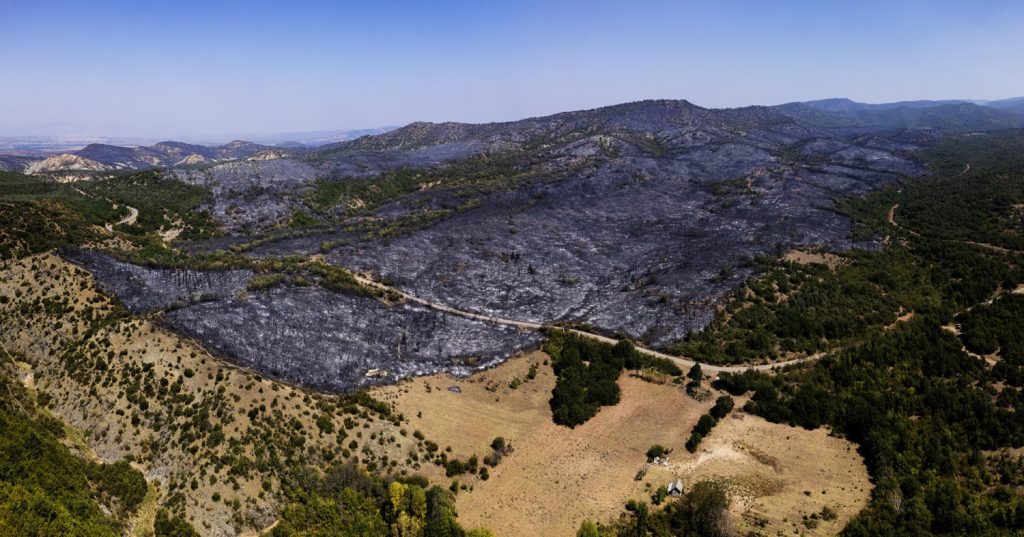
Spring marks a transition period when vegetation begins to grow rapidly. Fire management efforts concentrate on monitoring changing environmental conditions and maintaining firebreaks. Firebreaks are strategically cleared strips of land that help slow or stop the spread of fires. Agricultural burning, traditionally used to clear fields and pastures, becomes more common during spring. However, uncontrolled burning can easily escape into surrounding forests and grasslands. Therefore, public awareness campaigns and regulations are important to ensure safe burning practices. Fire authorities often increase surveillance and community outreach activities to educate residents about fire risks and prevention measures.
Summer is the most critical season for landscape fire management in the Western Balkans. High temperatures, prolonged droughts, and strong winds create ideal conditions for large and fast-moving fires. Coastal and mountainous regions are particularly vulnerable during this period. Fire management priorities shift toward preparedness, early detection, rapid response, and suppression. Modern technologies such as satellite monitoring, drones, and remote sensing systems help identify fires at an early stage. Firefighting teams remain on high alert, while aircraft and ground crews are strategically positioned in high-risk areas. Public access restrictions may be imposed in vulnerable forests during periods of extreme fire danger. Coordination among national agencies, local governments, and international partners becomes essential when large fires threaten communities, infrastructure, and biodiversity.
Autumn brings cooler temperatures and increased rainfall in many parts of the region, reducing the intensity of landscape fire activity. However, fire risk does not disappear entirely, particularly during dry autumn periods. Fire management during this season focuses on post-fire assessment and landscape recovery. Burned areas are evaluated to determine the extent of environmental damage, soil erosion risks, and impacts on wildlife habitats. Restoration measures may include reforestation, erosion control, and monitoring of natural vegetation regeneration. Lessons learned from the summer fire season are analyzed to improve future preparedness and response strategies.
Across all seasons, community engagement plays a vital role in successful landscape fire management. Local residents, farmers, forest owners, and volunteer organizations contribute to prevention efforts through responsible land management and early reporting of fire incidents. Regional cooperation is also increasingly important, as landscape fires often cross administrative and national boundaries. By integrating seasonal planning, prevention, preparedness, response, and recovery activities, Western Balkan countries can strengthen their resilience to landscape fires and protect valuable ecosystems, livelihoods, and communities from the growing threat of landscape fires.
Effective landscape fire management is therefore not limited to firefighting alone. It is a continuous, year-round process that combines ecological understanding, risk reduction, community participation, and adaptive management. As climate conditions continue to change, adopting a comprehensive seasonal approach will remain essential for safeguarding the landscapes and natural resources of the Western Balkans.