
Living with fire has long been part of human-environment relationships in the Balkans. For centuries, rural communities developed ways of managing land that acknowledged fire as a threat. Today, as landscape fires become more frequent and severe, there is renewed interest in traditional ecological knowledge (TEK). This is the accumulated practices and understandings of local people, as a valuable foundation for more resilient land management.
Historically, Balkan landscapes were shaped by daily human activity. Shepherds moved livestock across seasonal pastures, farmers cultivated small plots, and communities gathered firewood and managed forests. These practices created diverse, “mosaic” landscapes with a mix of open areas and wooded patches. Importantly, they also kept vegetation in check, reducing the build-up of flammable material. In some regions, low-intensity, controlled burning was used to maintain pastures and clear land, preventing the kind of fuel accumulation that feeds large wildfires today.
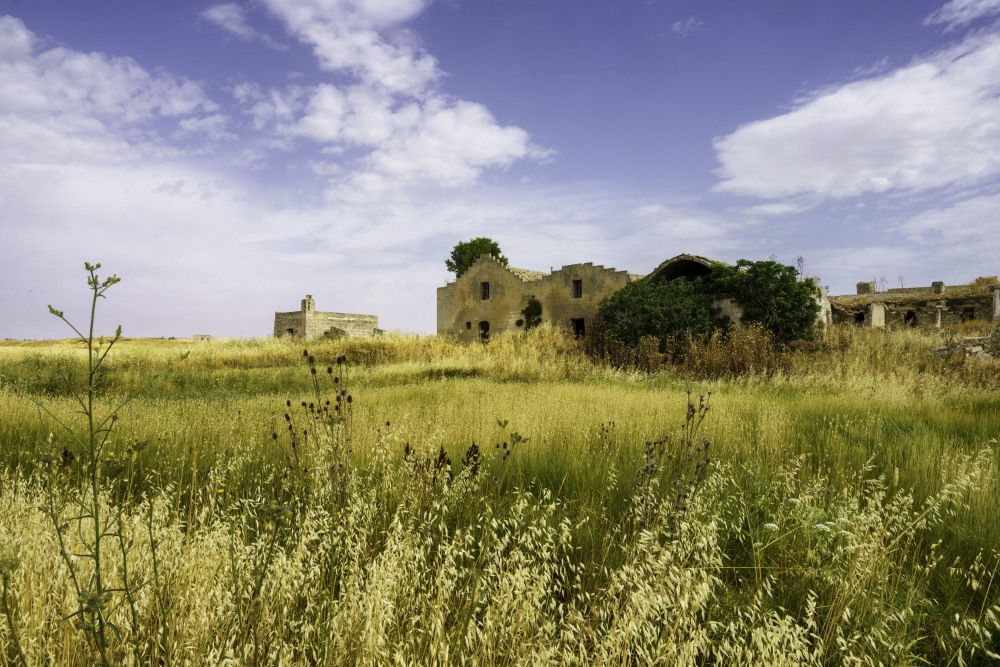
However, socio-economic shifts over recent decades, particularly and the decline of traditional livelihoods have disrupted these systems. As people leave mountainous areas, land is abandoned, and natural succession leads to denser, more continuous vegetation. While this can support certain ecological processes, it also increases fire risk by creating uninterrupted fuel corridors. In this context, the loss of traditional knowledge is not only a cultural issue, but also a practical challenge for fire management.
Reintegrating TEK into modern land management offers a pathway toward living more sustainably with fire. This does not mean simply returning to the past but rather combining traditional practices with contemporary science and policy.
Community involvement is central to this approach. Local knowledge holders understand the nuances of their landscapes: how vegetation changes over time, where fires are likely to spread, and which practices are most effective under different conditions. Engaging these communities in planning and decision-making can improve the effectiveness of fire management strategies while also strengthening social cohesion and cultural identity.
At the same time, supportive policies and economic incentives are essential. Revitalizing rural economies, promoting sustainable agriculture, and recognizing the value of ecosystem services can encourage people to remain on the land and continue stewardship practices. Education and knowledge exchange between generations and across regions can further ensure that traditional insights are not lost but adapted to meet modern challenges.
Living with fire in the Balkans requires a shift in perspective. Rather than viewing fire solely as an enemy to be suppressed, it can be understood as part of a broader ecological system that can be managed and guided. By reintegrating traditional ecological knowledge into contemporary land management, the region can build landscapes that are not only less vulnerable to catastrophic fires, but also richer in biodiversity, culture, and resilience.