
Mosaic landscape is a type of landscape characterized by a patchwork of forests, grasslands, agricultural fields, and shrublands and play a critical role in reducing landscape risk in the Balkans. Unlike large, continuous expanses of dense vegetation, these heterogeneous landscapes interrupt the horizontal and vertical continuity of fuels, making it harder for fires to spread rapidly and intensify.
Historically, such mosaics were maintained through traditional land-use practices, including grazing, crop cultivation, and small-scale wood harvesting. However, socio-economic changes in recent decades, particularly rural depopulation and land abandonment, have led to the gradual loss of this landscape structure. As fields are abandoned and grazing declines, natural succession processes lead to the expansion of shrubs and young forests. While this can benefit certain aspects of biodiversity, it often results in more continuous and flammable vegetation. The disappearance of open areas removes natural firebreaks, increasing the likelihood that fires will grow larger and more difficult to control. In this context, restoring and maintaining mosaic landscapes becomes a key strategy for integrated fire management.
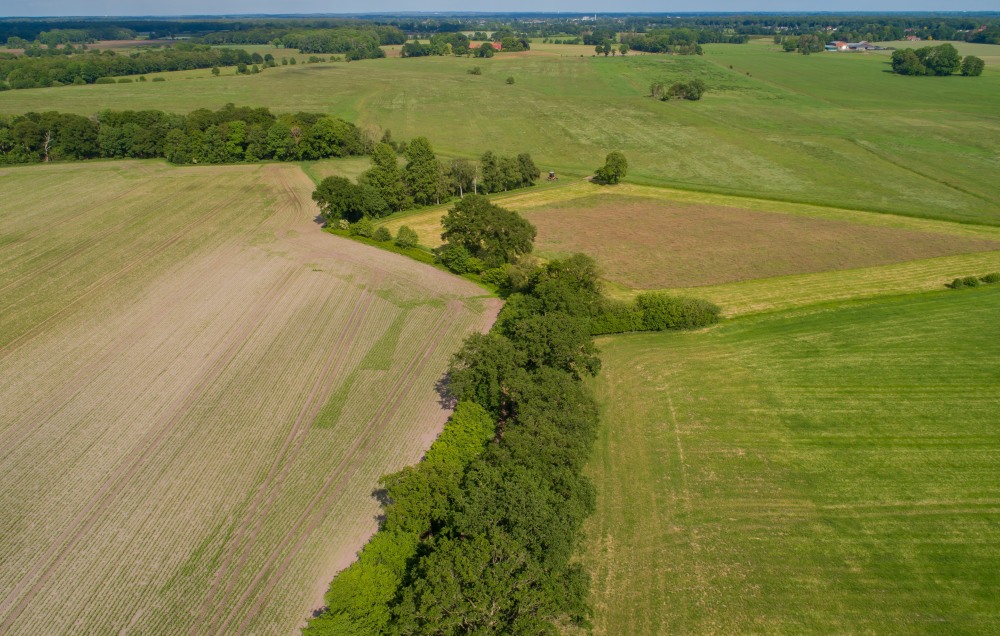
Managing vegetation dynamics is central to this approach. This involves actively shaping how vegetation grows, regenerates, and is distributed across the landscape. For example, grazing reduces fine fuels like grasses and prevents shrub encroachment, while selective clearing can create strategic breaks in forested areas. When carefully planned, these interventions not only reduce fuel loads but also enhance habitat diversity and ecosystem resilience.
Equally important is the role of spatial planning. Mosaic landscapes are most effective when designed with fire behaviour in mind by placing lower-flammability land uses, such as irrigated agriculture or managed pastures, in strategic locations to slow or redirect fire spread. Buffer zones around settlements and infrastructure can provide additional protection, while corridors of less flammable vegetation can limit the connectivity of high-risk areas.
Sustaining mosaic landscapes in the Balkans requires aligning environmental goals with socio-economic realities. Supporting rural livelihoods is essential, as local communities are the primary stewards of these landscapes. Incentives for traditional practices, agri-environment schemes, and the development of markets for local products can make land management economically viable. At the same time, policies should encourage collaboration across sectors by linking forestry, agriculture, and fire management to ensure coordinated action.