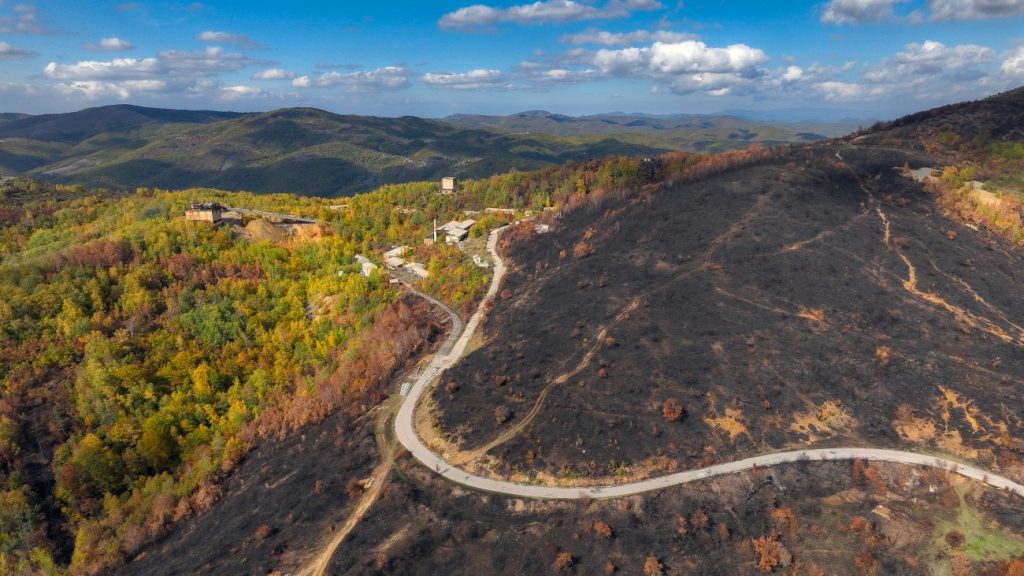
“Landscapes Fire Protection through the Camera Lens”, was a regional photography competition organized within the Landscape Fire Management in the Western Balkans (LFMWB) Programme. The contest invited both amateur and professional photographers to capture compelling visual stories that highlight the beauty of the Western Balkans’ landscapes, the impacts of landscape fires, and the people and initiatives working to prevent them.
Following the evaluation by an expert jury, the 20 highest-ranked photographs were selected for the regional traveling exhibition, showcasing powerful visual stories from across the Western Balkans.
Below, we present these 20 outstanding photographs, each accompanied by a short description highlighting its message and contribution to raising awareness about landscape fire prevention, resilience, and the protection of natural landscapes.
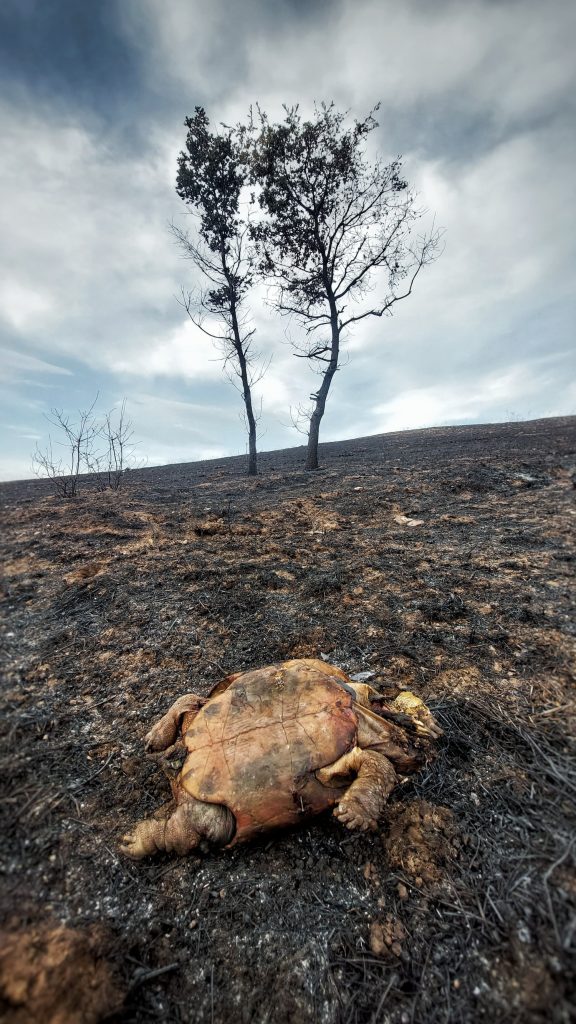
1. Goran Kuzmanovski
The photo is taken in September 2023, in the Pelagonian region between Bitola and Prilep. During that period, the area is usually covered with very tall dry grass, and unfortunately every year some local shepherds intentionally start fires, believing that the grass will grow back better the following season. The image represents the emptiness and sadness left behind after the fire — nothing alive remained around them, almost like an apocalyptic landscape.
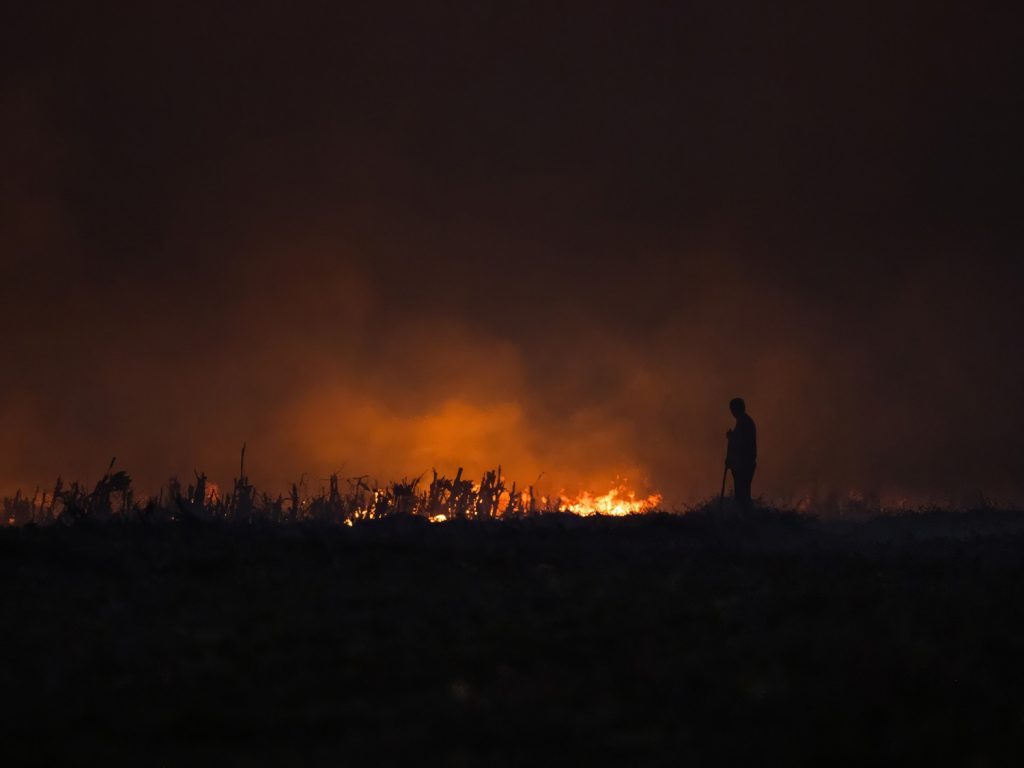
2. Dejan Valek
This photograph was taken in Vojvodina. It shows a nighttime fire, a blaze set by farmers on their fields. This tradition, once a method of fertilizing the soil, now causes great harm. The plant and animal life—field mice, hares, foxes, deer—suffer. It would be good for people to become aware and understand how much damage this act causes.
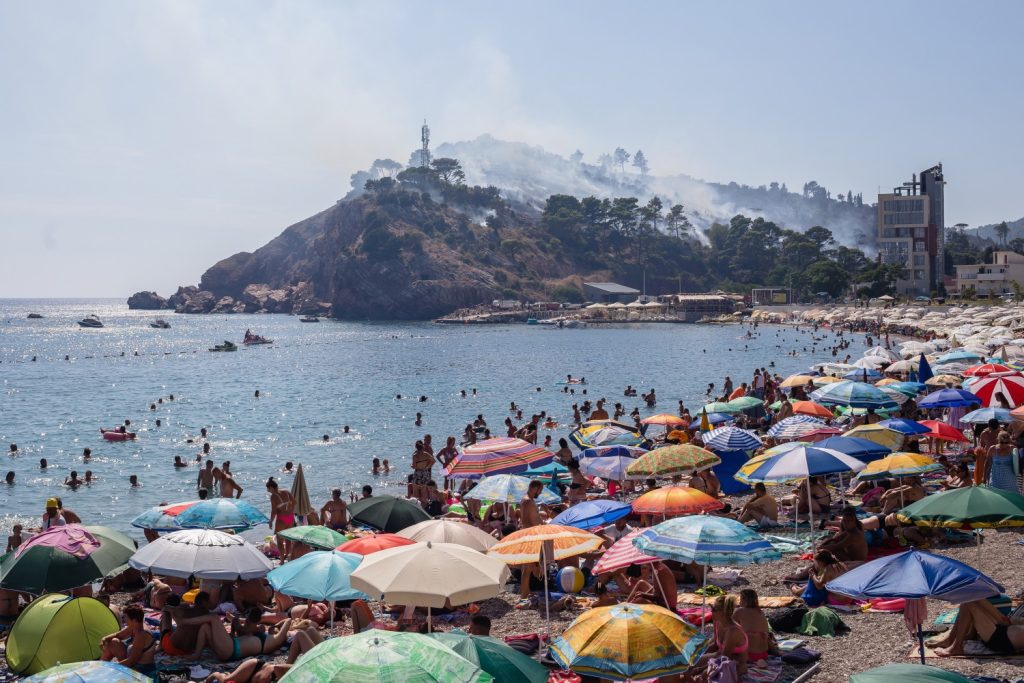
3. Evgenij Yulkin
The photo was taken in the town of Sutomore on Mount Golobrdo during a fire in 2024. Mount Golobrdo in Sutomore is a symbolic place, and its name (“Naked Mountain”) after such fires, unfortunately, sounds too literal. The photo was taken in the summer during the tourist season. This image demonstrates how indifferent society is to fires. But on the other hand, how can beachgoers make a difference? This photograph is simply a statement of fact. A feast during the plague. People continue to enjoy life as long as they can, despite the cataclysms that happen around them, and they cannot be blamed for this.
4. Mensur Gashi
The picture is taken at the beginning of 2026, in the mountainous region near the border between the municipalities of Istog and Skenderaj.
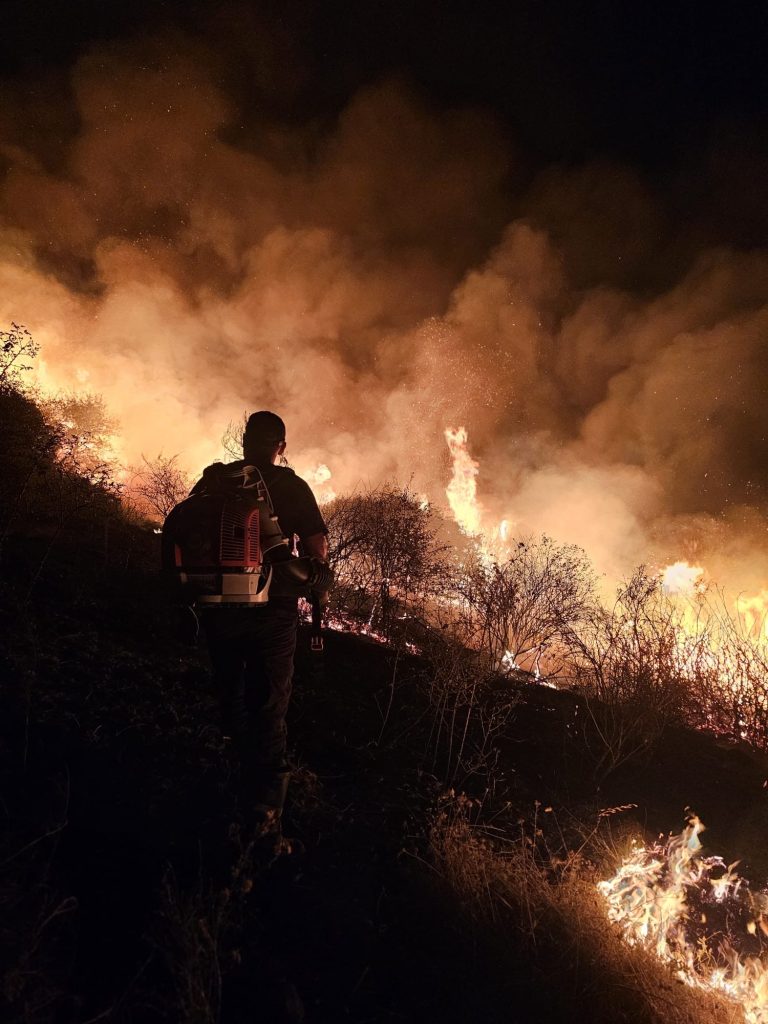
5. Bleron Caka
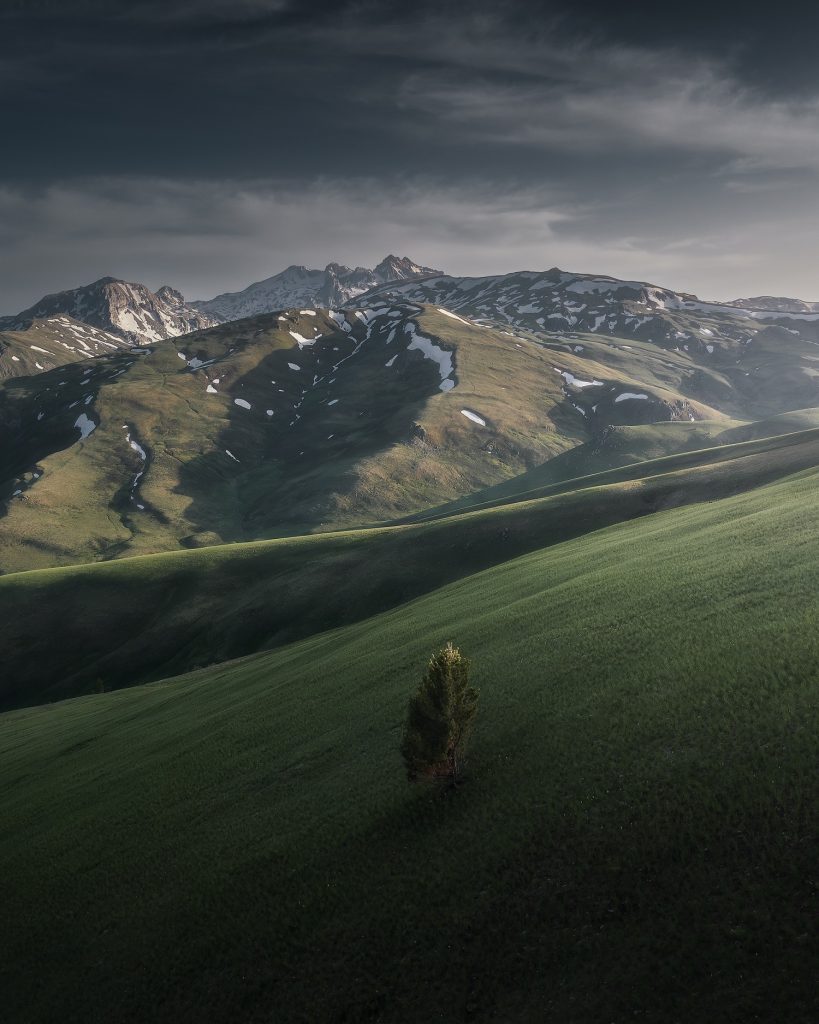
Rolling green hills stretch toward rugged mountain peaks beneath a dramatic sky, highlighting the quiet strength of untouched landscapes. Open natural spaces such as these can play an important role in reducing fire intensity by creating natural breaks between dense vegetation areas. The solitary tree standing against the vast terrain reflects resilience, adaptation, and the importance of protecting landscapes before they are threatened. This image represents both the beauty and vulnerability of mountain ecosystems in a changing climate.
6. Jorde Angelovic
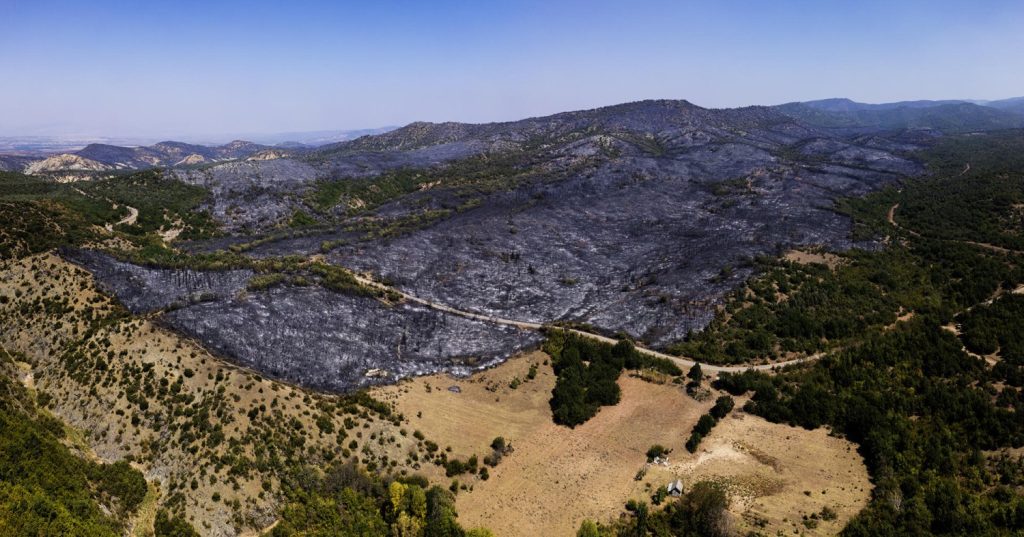
Serta is a beautiful mountain terrain with unique flora and fauna. Most likely reason for this enormous fire was human negligence as it was said by officials. Level of consciousness is very low and people light fire for all kinds of reasons which sometimes lead to this level of catastrophe. By this fire several cities were heavily affected by polluted air.
7. Dragan Djukic
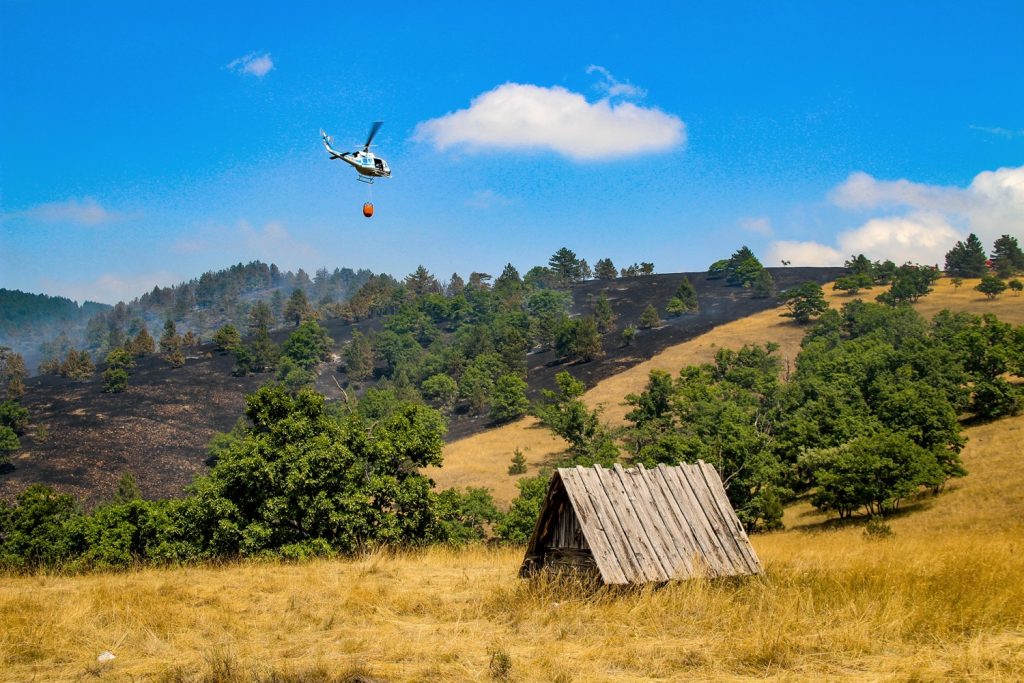
This photograph was taken in Mokra Gora, during a landscape fire suppression operation in open terrain. A helicopter equipped with a water bucket attempted to stop the fire from spreading across dry, hilly land. Such interventions involve extremely high logistical and financial costs, requiring expensive equipment, trained personnel, and coordination between multiple services. The message of the photograph is clear: negligence and poor land management can lead to situations that demand enormous resources, while responsible behavior can help prevent fires before they escalate.
8. Niksha Lukshich
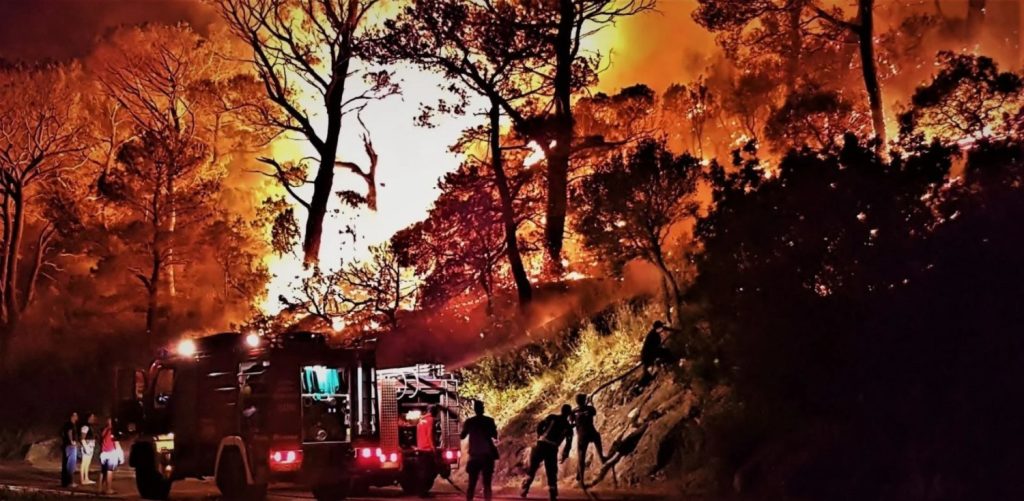
This image depicts a dramatic and deeply disturbing scene of a landscape fires dangerously approaching a populated area. Night has turned into day, but in the worst possible way. The fire is consuming everything in its path, while the community remains on high alert. The power of nature reminds us how small and vulnerable we are, yet the solidarity of residents in moments like these offers hope. The sky is completely red from the glow of the flames, while thick smoke spreads throughout the settlement, making breathing difficult and significantly reducing visibility. This image serves as a powerful reminder of the devastating force of landscape fires and the importance of a rapid and effective response from firefighting services during such crises.
9. Maja Stoshich
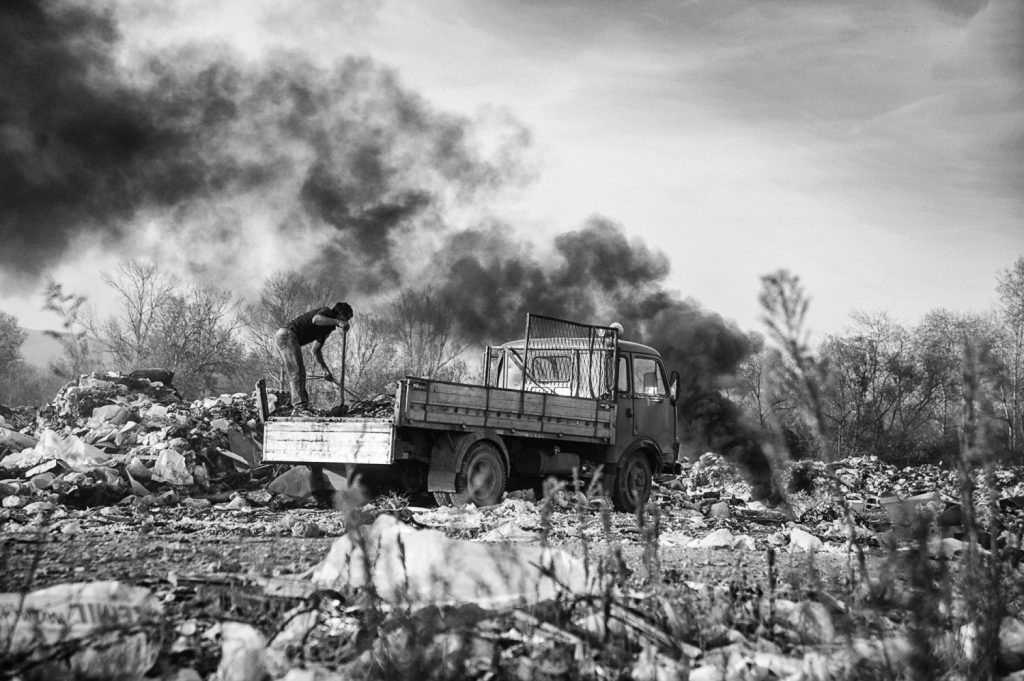
This image, captured at a landfill site, shows environmental and social consequences of modern consumption and waste disposal. The thick black smoke indicates the open burning of waste, which releases hazardous chemicals into the air, contributing to severe respiratory issues for nearby communities. Viewers should recognize that waste does not simply “disappear”; it often ends up in environments that degrade human health and the planet. Support policies that transition from open dumping to sustainable, formal waste management and recycling systems that protect both the environment and workers. On an individual level, prioritize reducing waste to lessen the burden on landfills.
10. Goran Kuzmanovski
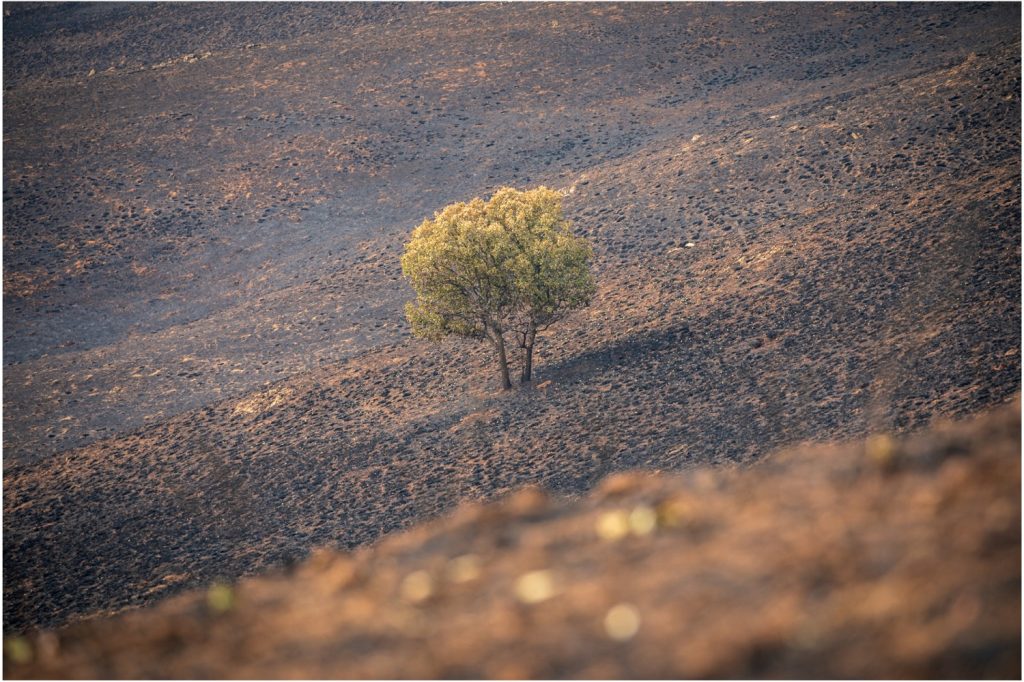
The trees shown in the photographs were standing alone in the field and were among the very few that partially survived. Yet, there is still a small sense of hope visible in the green leaves at the top of the trees, a quiet contrast between destruction and nature’s persistence.
11. Samir Shehovich
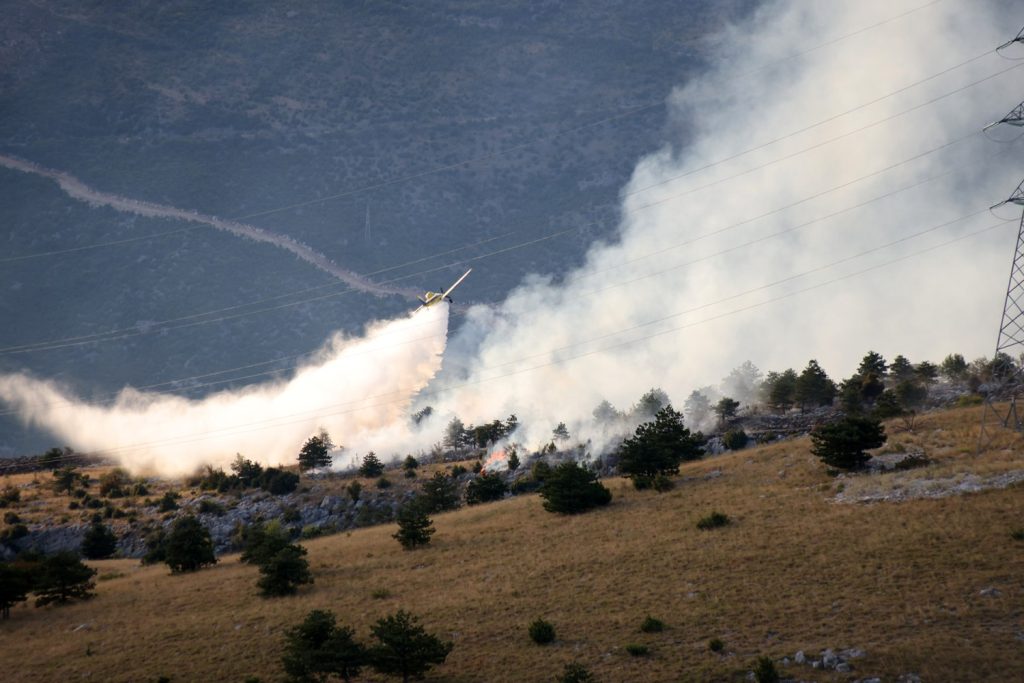
Water and Fire – A photograph taken from Fortica Hill above Mostar, capturing a firefighting aircraft in action as it combats a major landscape fire.
12. Dragan Djukic
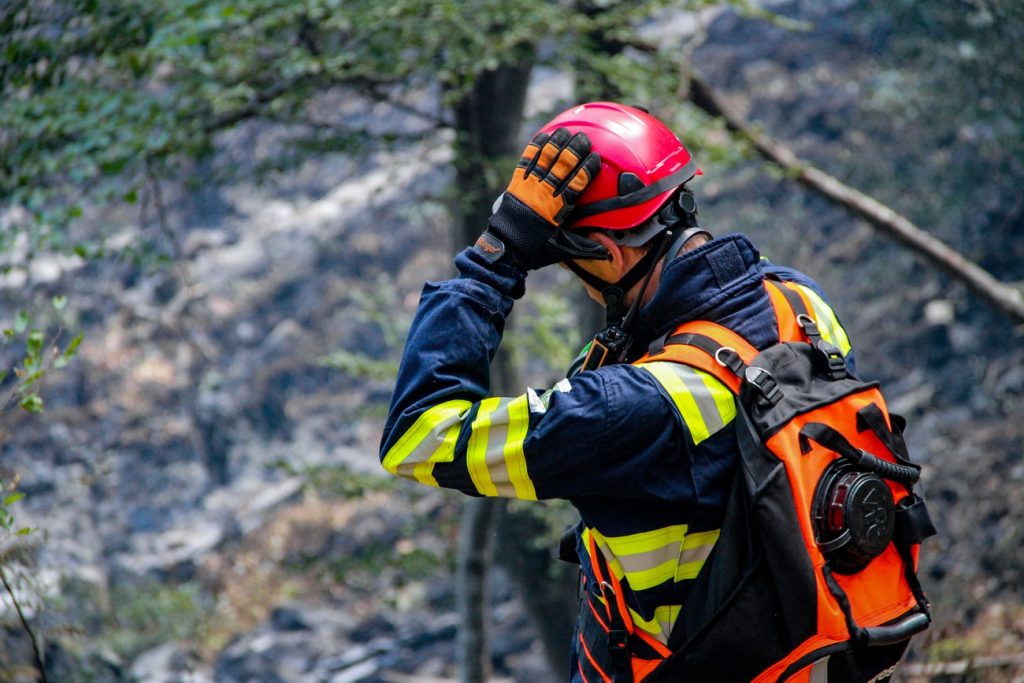
This photograph captures a firefighter standing on a burned site after a landscape fire intervention. His posture and gesture reflect exhaustion and the weight of the situation, while the charred landscape in the background reveals the scale of destruction. The scene symbolizes not only the impact on nature but also the human effort behind every intervention. The message is that landscape fires leave long-term consequences on ecosystems and communities, and that prevention is key to reducing their impact.
13. Labrina Bedinaj
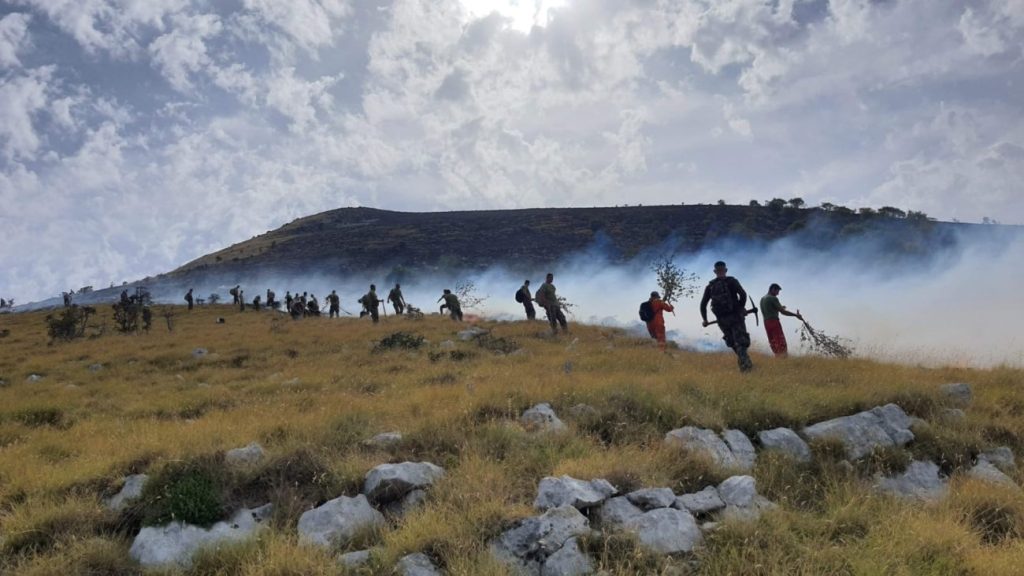
In 2021, a landscape fire burned 4,831.8 hectares of the Nature Park Karaburun over 14 days. This image captures people on the frontline working to stop the spread of the fire under extreme conditions of smoke, heat, and dry terrain. It highlights both the vulnerability of Mediterranean landscapes and the importance of rapid human response during environmental crises. The photograph reminds viewers that prevention, preparedness, and collective responsibility are essential to protect natural ecosystems and strengthen community resilience against future landscape fires.
14. Ana Churich
Taken in Gostilja in July 2021. This photo contrasts a half-burntspruce forest with the surviving half, highlighting landscape fire risk to relict species. Volunteers and firefighters hiked steep terrain for 5+ hours, carrying 25L water bags on foot to suppress flames. Viewers should learn the fragility of ancient ecosystems and act by supporting community fire patrols and fuel reduction—prevent the next divide.
15. Sladjana Pantelich
This photo shows one of the villagers who participated in stopping the spread of the flames. He told us that they have had such fires in previous years and that they are well organized in such situations.
16. Bahrudin Bandich
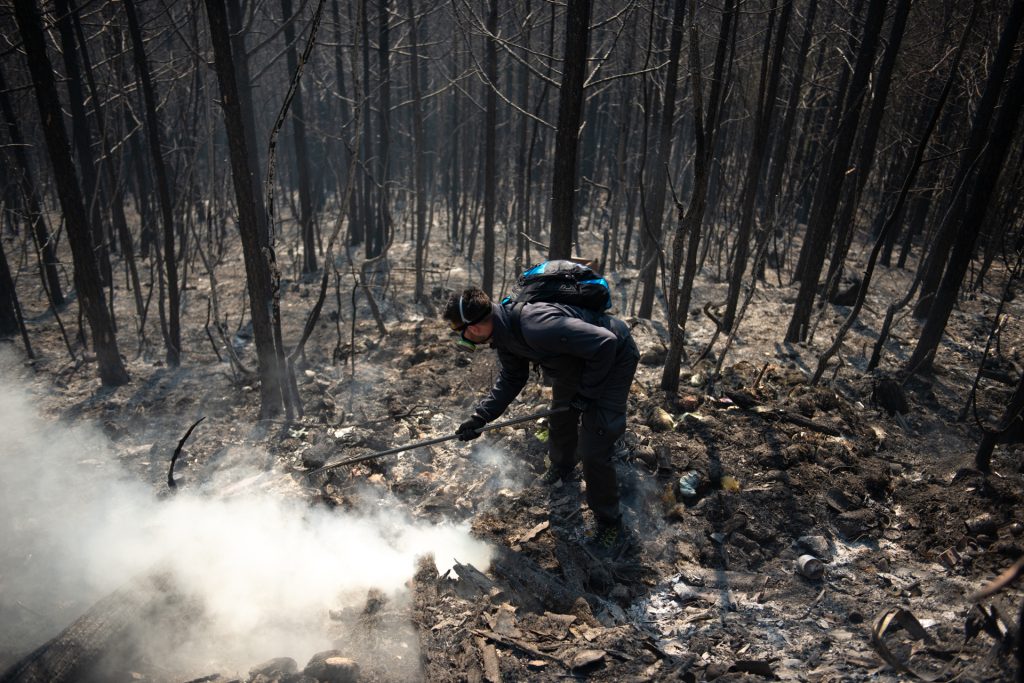
A volunteer checks the edge of a burnt forest near Konjic to ensure no hidden fire remains. The landscape is already heavily damaged, but the risk of re-ignition is still present. The image shows the critical role of local volunteers in post-fire monitoring and protecting nearby communities from further spread.
17. Ana Churich
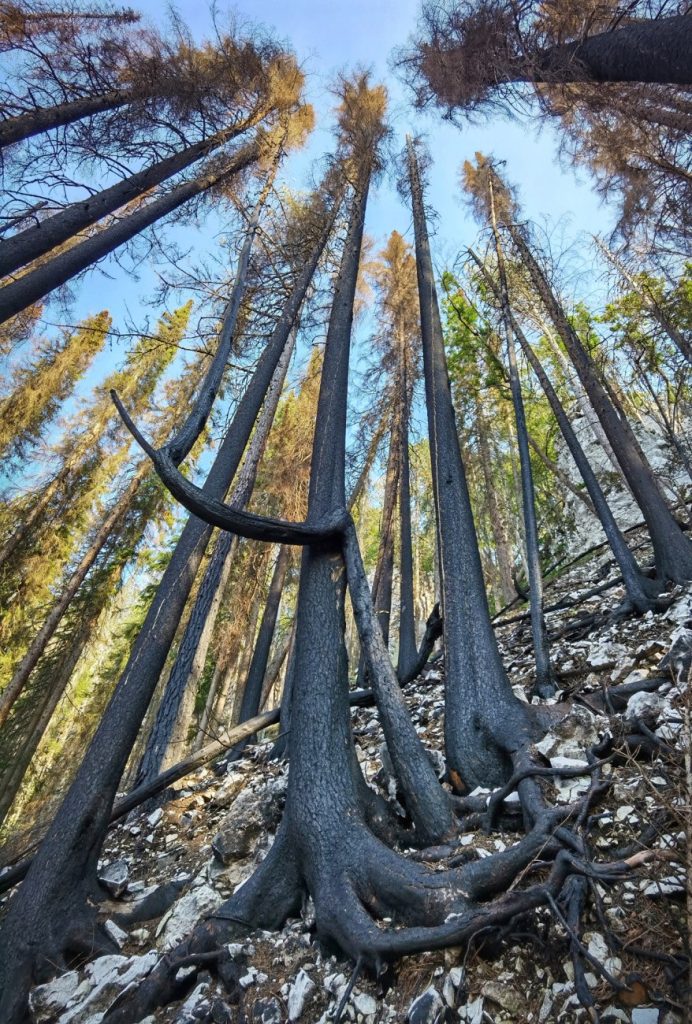
Captured in Gostilja’s burnt forest, one year after a fire. An ancient spruce stands amid devastation, showing how even relict species vanish in seconds without resilience measures like mosaic landscapes or fuel breaks. Daily heroics of volunteers saved remnants despite harsh terrain. Learn to prioritize sustainable grazing and breaks; act by advocating for managed landscapes to protect irreplaceable biodiversity from rapid fire spread.
18. Aleksandar Aleksovski
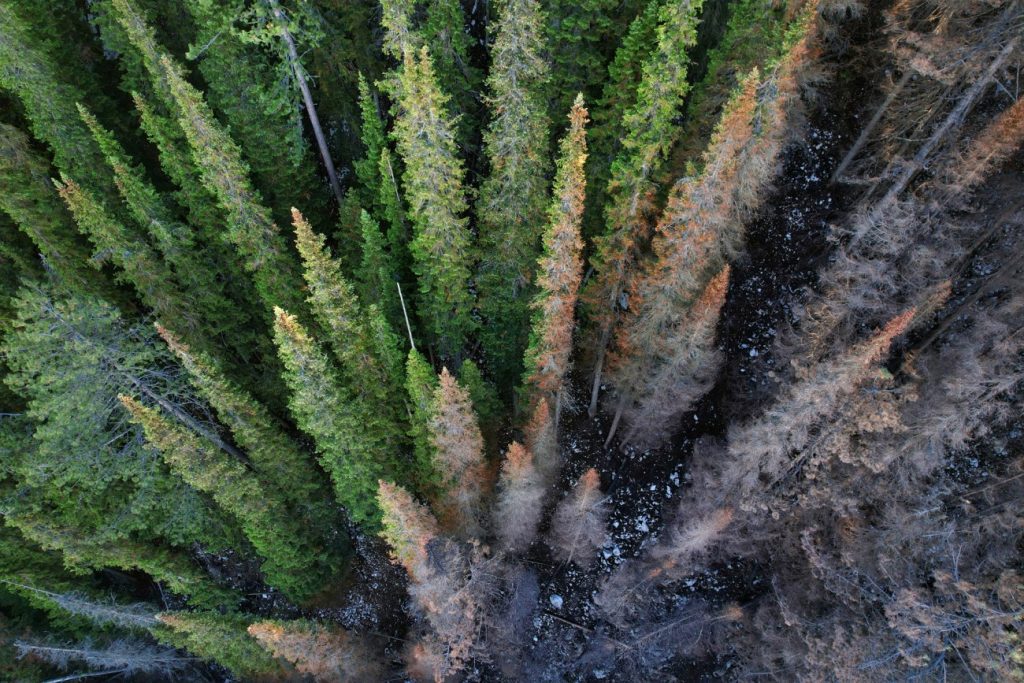
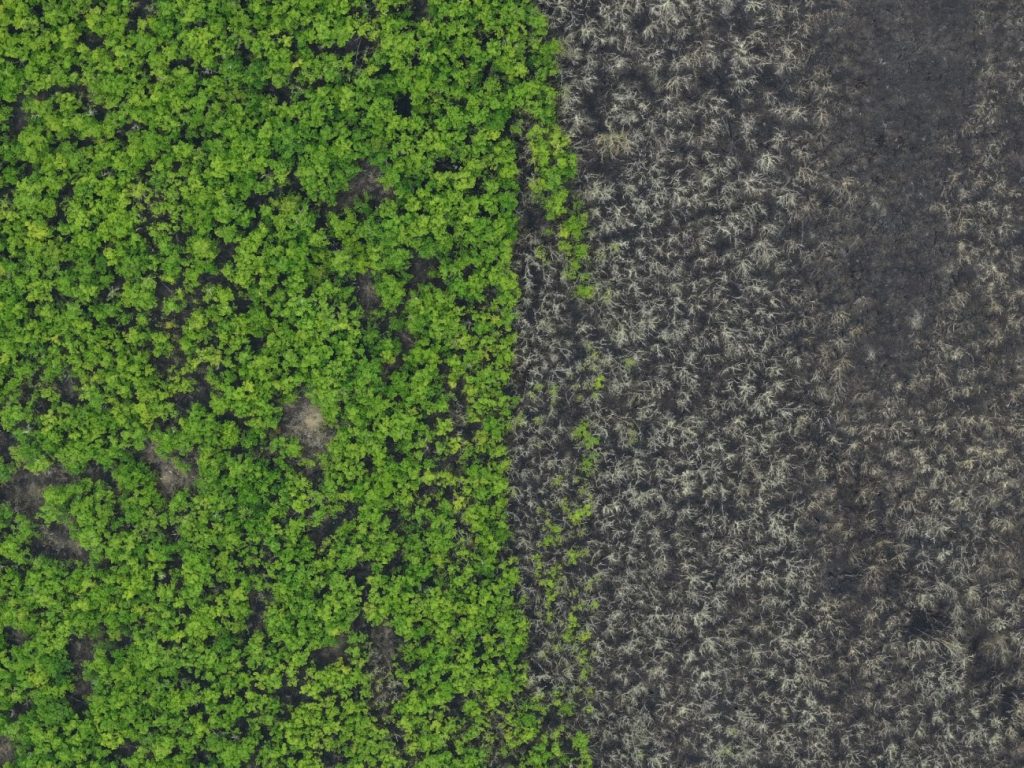
Aerial view captured near Monastery Nativity of Mary, Porech Monastery. The image starkly divides into two realities: a thriving green forest canopy on the left and a devastated, grey-burnt landscape on the right. This bird’s eye contrast reveals the true scale of fire damage, invisible from the ground. Viewers are invited to reflect on how quickly landscapes can be lost and why proactive fire management and community awareness are essential to protect what remains.
19. Sladjana Pantelich
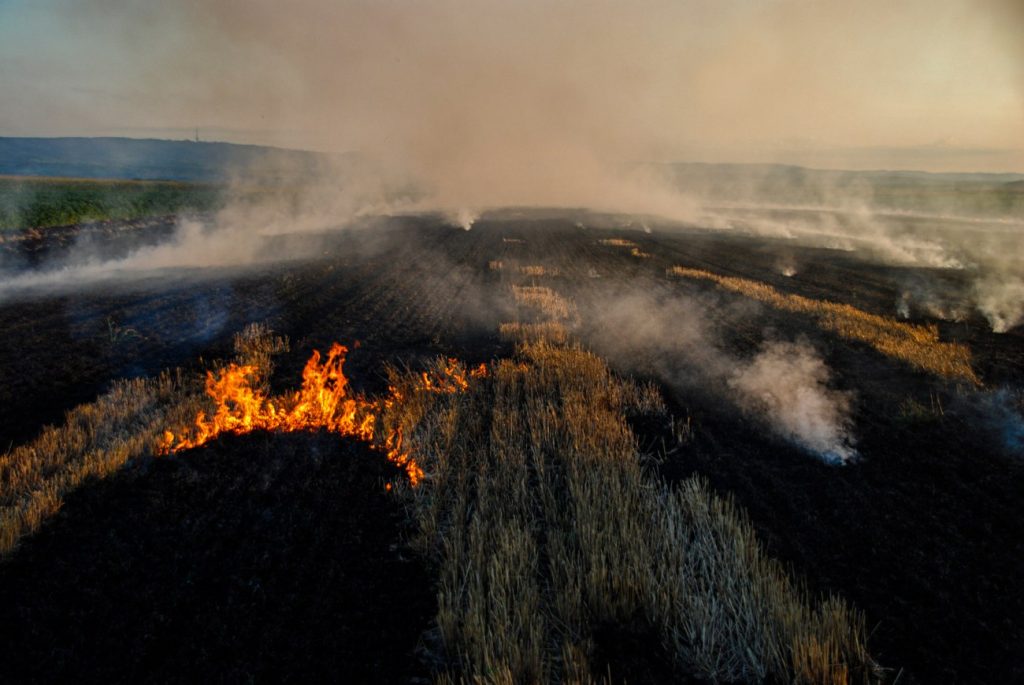
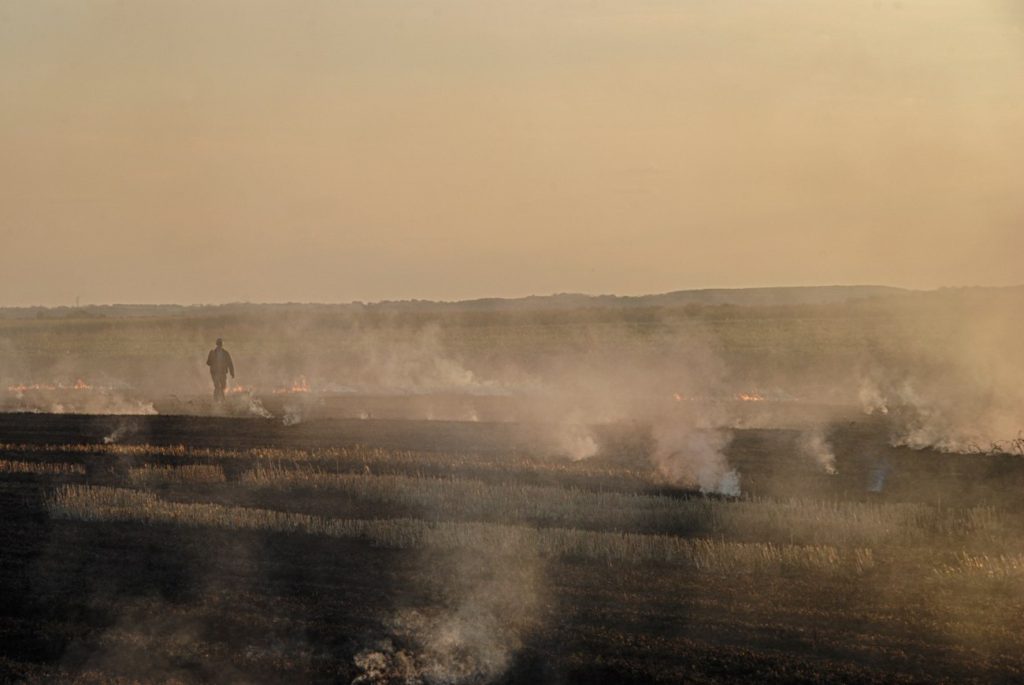
The photo of the fire was taken in the vicinity of Novi Sad. We noticed smoke in the distance and quickly headed in that direction. The fire that engulfed the field with the remains of wheat was slowly calming down, and we were worried because no one was around. We saw that only that lot was on fire, which indicated that someone was controlling. The villagers managed to prevent the fire from spreading.
20. Arben Llapashtica
This photo was taken in Novobërdë /Novo Brdo. Unfortunately, the fire was accidental, leaving a visible contrast between the burned and untouched landscape.